Health systems and universities
Large health systems and research universities anchor employment in Detroit, Grand Rapids, and Chicago, and they have been in place for generations.

03 · Investment thesis
Michigan and much of the Midwest have added little new rental product in fifteen years, while most new apartment supply has gone to the Sun Belt. Renters in established neighborhoods have few good, new buildings to choose from. That is where we develop multifamily, mixed-use, and hospitality real estate.
01 · The market
Apartment construction in Michigan fell hard after 2008 and has come back only partway.4 The rental stock is old and thinly refreshed, rents sit below the national median, and the state is full of older buildings worth keeping.
02 · Supply and basis
Most of the country’s new apartment supply has gone to the Sun Belt. Where new product is scarce, a well-built building has less to compete with, and residents who want something new have few places to go.
Rents in our focus metros sit below the national median and well below coastal markets. We underwrite to those rents as they stand, so a building has to work at a cost in proportion to them, without counting on growth that may not come.
03 · Demand
Our markets are built on employers that do not relocate on a lease cycle. That is the demand a long hold depends on.
Large health systems and research universities anchor employment in Detroit, Grand Rapids, and Chicago, and they have been in place for generations.
Michigan remains the center of American automotive engineering. The shift to electric and connected vehicles has brought new plants and research investment to the state.
Detroit’s Downtown, Midtown, and Corktown have drawn sustained private and institutional reinvestment. Grand Rapids anchors West Michigan, and Chicago adds the depth of the region’s largest economy.
We go where the market makes sense and the deal underwrites, across the Midwest. Current focus: Birmingham, Michigan; Detroit; Grand Rapids; and Chicago. Explore our markets
04 · Adaptive reuse and hospitality
The Midwest’s older cores are full of masonry buildings with generous floor heights: former offices, warehouses, and civic buildings in walkable locations where new land is hardest to find. The best of them convert well to apartments, and some historic buildings make distinctive hotels.
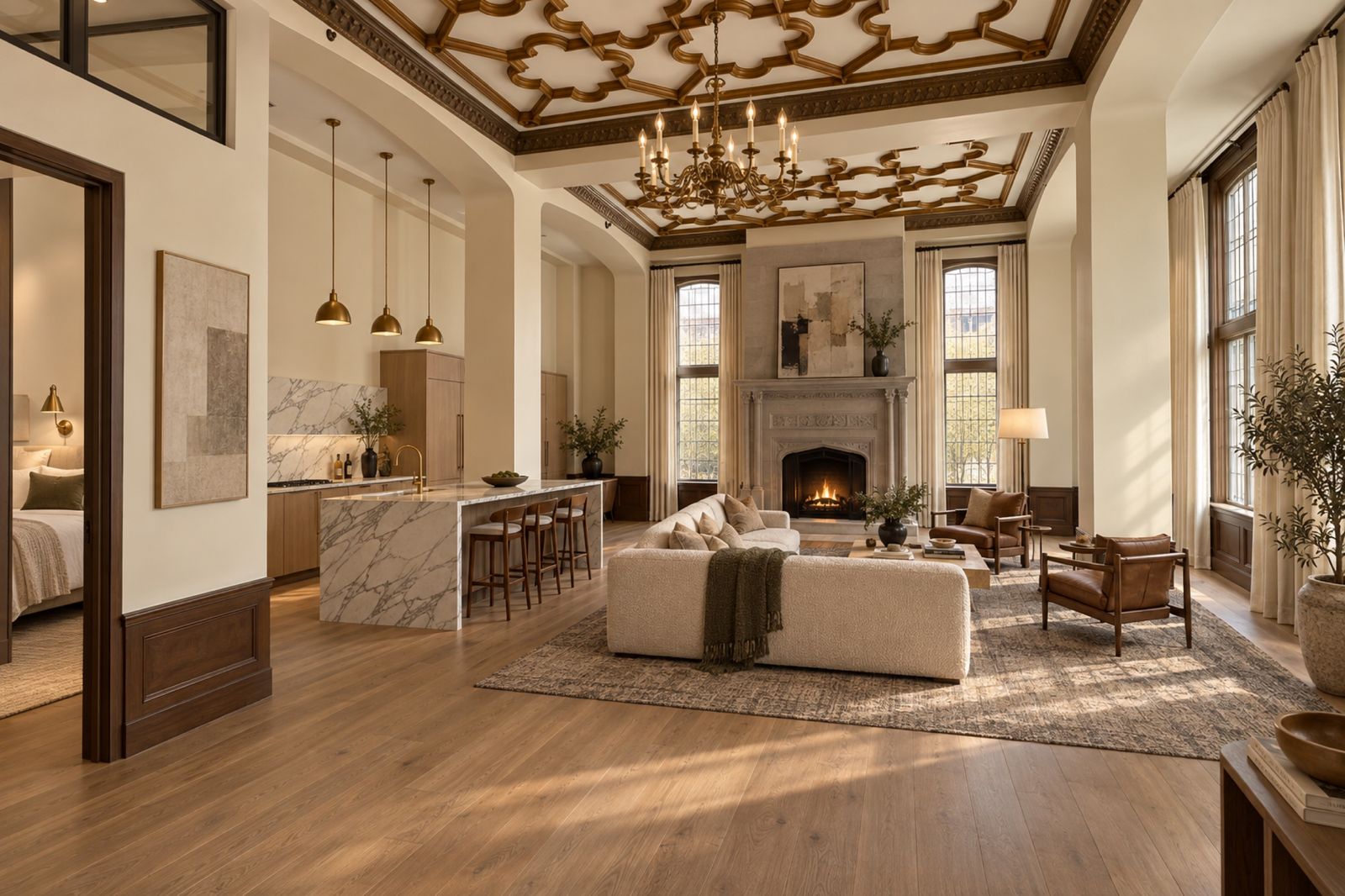
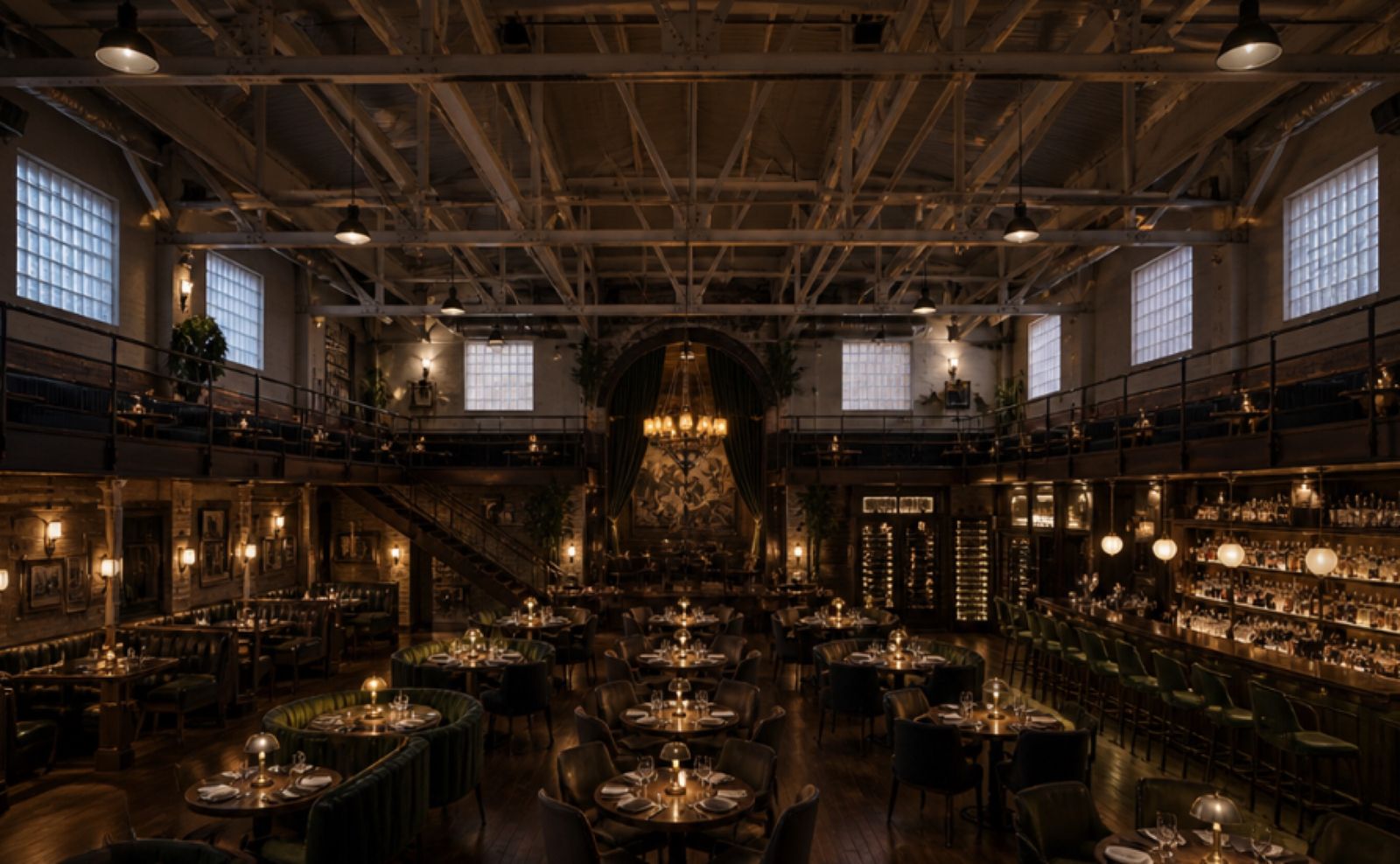
In mixed-use buildings, an active ground floor of retail and restaurants serves the residents above and gives the street a reason to stop. Adaptive reuse lets us work with structure the city already paid for.
05 · How we act on it
Each one is a test. A deal that fails any of them does not move forward.
Few of Michigan’s rental units are less than fifteen years old. We develop multifamily and mixed-use buildings in established neighborhoods where that gap shows up as steady demand and little new, well-made product, on infill land already served by streets, transit, and daily retail.
A sensible cost of entry lets a building work on rents residents pay now. We do not count on rent growth or a falling cap rate to make the numbers work. If those arrive, they are upside.
Every opportunity is tested against a downside case before it is modeled to a base case. Rents are held to today’s market, construction carries real contingency, and the exit is assumed to be harder than it looks.
Much of the Midwest’s older building stock was built well: masonry walls, generous floor heights, honest structure. Adaptive reuse turns it into apartments, hotels, and mixed-use buildings with a character new construction rarely matches. Where an existing building can’t carry the next use, we build new.
A typical hold is seven to ten years, with the option to hold longer. That horizon changes how we build: materials that age well, systems that can be serviced, and floor plans that will still lease in a decade.
The partners who underwrite a deal also direct its design and construction, and then hold it. There is no handoff between the people who make the promise and the people who have to keep it.
For investors
We are a young firm by design: three experienced partners who built the platform they wanted to invest in. Here is what that means for the people who invest with us.
The partners invest alongside our investors and stay with each building through the hold. We are on the same side of every decision.
Every deal is tested against a downside case before anyone looks at a base case. If it only works with rent growth, we pass.
The partners who underwrite a deal also direct its design and construction, then own it. Accountability never changes hands.
More than $1B of development experience across the partners, spanning underwriting, finance, entitlement, design, and construction.
We build where the cost of entry lets a project work on rents residents pay today, not on rents we hope to see.
Investors deal directly with the partners making the decisions, and hear from us plainly, including when the news is not good.
Investor inquiries, Joshua Miller: josh@thehinterlandgroupllc.com
This website is not an offer to sell or a solicitation of an offer to buy any security. Offerings, if any, are made only to qualified investors through offering documents.
Sources
Market data is provided for general context only. It is not a forecast and does not describe the performance of any investment.